Furniture · Baby & Kids
An international kids' furniture brand
A 10x first full year in kids' furniture.
An international kids' furniture brand grew its marketplace revenue roughly 10x in its first full year with Bison Commerce, from under $30,000 to over $300,000.
Revenue growth, first full year (2024 to 2025)
Marketplace revenue in 2025, up from under $30K
Orders in 2025, from 25 to 305
About the customer
- Customer
- An international kids' furniture brand
- Category
- Kids' room and juvenile furniture
- Engagement
- Managed marketplace growth
- Period
- 2024 to 2025
01 · The challenge
A specialty brand with no marketplace footprint.
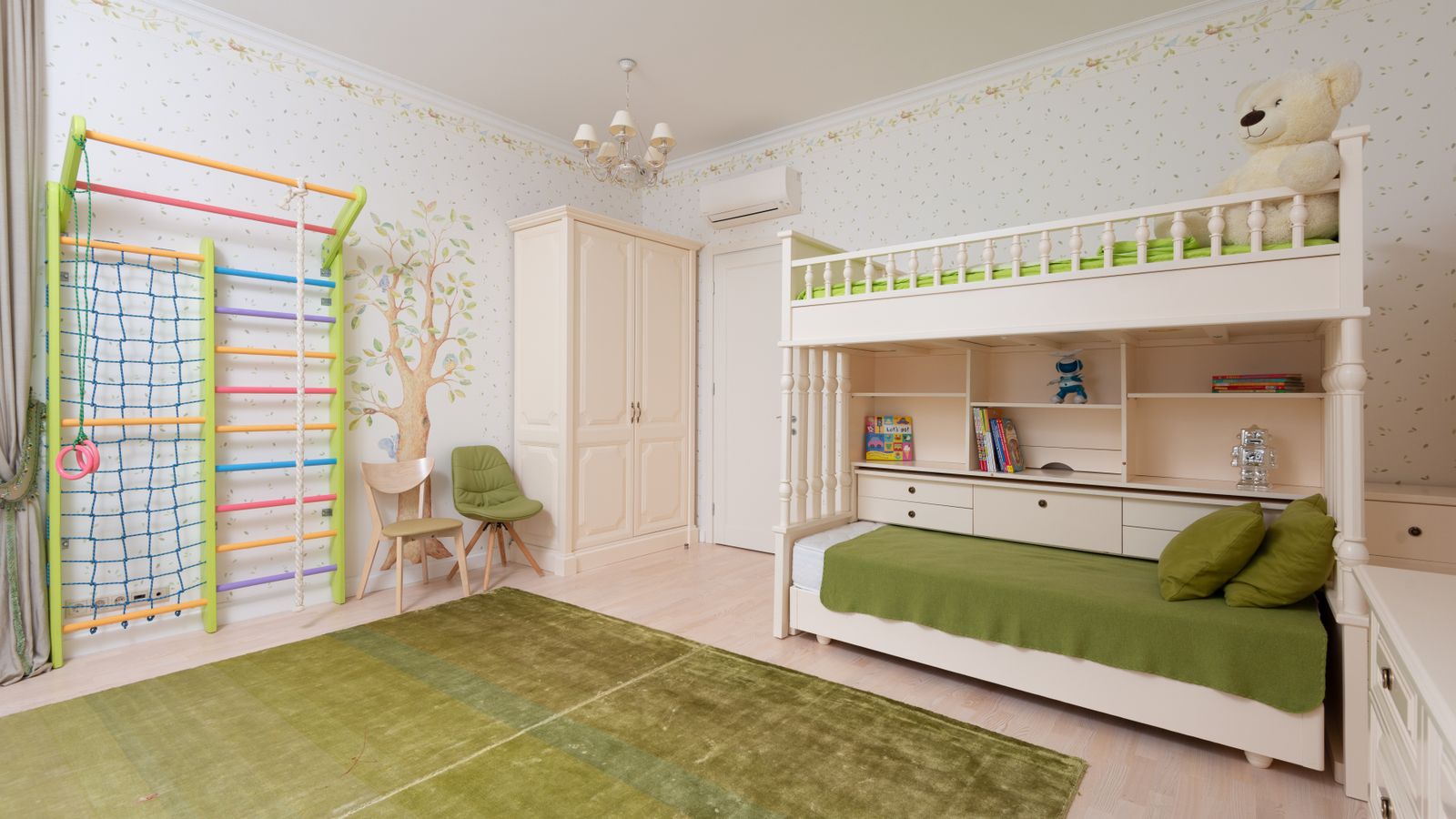
The brand makes distinctive kids' room and juvenile furniture, the kind of specialty, larger-format product that is expensive to ship and easy to misrepresent in a thin listing. A themed bed or a coordinated room set is exactly the sort of considered purchase that lives or dies on the quality of its detail page, and exactly the sort of oversized item that is unforgiving to ship and return. Reaching marketplace shoppers at scale meant solving big and bulky fulfillment, listing quality, and advertising all at once, with no existing marketplace operation to build on.
Starting from a standing start makes each of those problems harder. There was no listing history to inherit, no base of reviews to lend credibility to a high-consideration purchase, and no advertising signal to tell the marketplaces which products deserved to be shown. A specialty brand entering the marketplaces cold has to earn all three at once, and it has to do so while absorbing the freight and returns economics of furniture from the very first order. The opportunity was real, but capturing it required building the entire operation correctly rather than bolting marketplace sales onto an existing wholesale business.
02 · What we did
A managed launch on one accountable partnership.
Bison Commerce launched and ran the brand's marketplace presence end to end. The brand kept ownership and control of its pricing while Bison carried the operation: big and bulky fulfillment across a network of more than 700 warehouses, listing content built to convert a considered furniture purchase, advertising to put the range in front of the right shoppers, and the customer service, compliance, and returns handling that keep a seller in good standing. One accountable partner meant pricing and promotion could move as one rather than working against each other.
Because the launch was run as a single coordinated push, the pieces reinforced one another from day one. Strong listings gave the early advertising something worth spending behind. Reliable fulfillment protected the seller rating that a new brand cannot afford to dent. And a clean, consistent retail price, set deliberately rather than fought over by competing resellers, let the brand build perceived value instead of eroding it. The result was an operation that compounded rather than one that had to be rescued and rebuilt after a rough start.
03
The operation behind the launch.
Launching a specialty furniture brand on the marketplaces is less about one decision and more about getting many operational details right at the same time, and Bison ran them as a single system. Fulfillment moved across a network of more than 700 warehouses, which matters more for oversized furniture than for almost any other category. Positioning inventory closer to the customer shortens transit, lowers the freight cost baked into every order, and reduces the handling that damages heavy items along the way. For a themed bed or a coordinated room set, fewer touches between warehouse and doorstep means fewer damaged arrivals, fewer returns, and a steadier seller rating to build on.
Content carried an unusually heavy load for a brand with no marketplace history. With no reviews to lean on, the brand's detail pages had to do the persuading on their own. Bison built them around how shoppers actually evaluate a high-consideration furniture purchase: titles aligned with real search behavior, image sets that convey scale, finish, and the distinctive design the brand is known for, and structured content that answers the dimensional, assembly, and safety questions buyers ask before they commit. Strong pages convert more of the traffic that advertising brings in, which is what turns paid demand into a profitable channel rather than an expensive one.
Advertising was used deliberately to create the demand signal a cold launch lacks. Rather than spreading spend evenly across the catalogue, Bison concentrated it behind the products that showed early traction, letting winners earn more visibility and compound. Pricing stayed disciplined throughout. With a single operator owning the listings, retail price was a deliberate choice rather than the casualty of resellers undercutting one another, so the brand could build perceived value from its first month instead of training shoppers to wait for the next discount.
04 · The results
Roughly 10x in the first full year.
The brand's marketplace revenue grew from $28,820 in 2024 to $301,169 in 2025, roughly a tenfold increase in the brand's first full year on the operation. For a specialty furniture brand building from no marketplace footprint, that is a fast ramp, and it came from the catalogue broadly rather than from a single breakout product. The brand has continued selling into 2026, carrying the operation forward rather than treating the launch year as a one-off.
Orders grew even faster than revenue, rising from 25 in 2024 to 305 in 2025, roughly twelvefold. That orders outpaced revenue is a healthy sign for a launch: it shows the brand was reaching many more individual customers, not leaning on a handful of large transactions. A widening base of orders is what turns a promising first year into a durable marketplace business.
The shape of that growth matters as much as its size. A first year built on many customers rather than a few large orders is far harder to lose, because it is not hostage to a single buyer, a single hero product, or a single promotion. Each satisfied customer adds a review, and each review lowers the cost of winning the next one, so a broad order base compounds into cheaper, more durable growth over time. For a specialty brand that started with no marketplace footprint at all, reaching hundreds of distinct customers in the first full year is the clearest evidence that the launch built a real business rather than a temporary spike.
05
Why it worked.
A standing-start launch in big and bulky furniture is one of the least forgiving things a brand can attempt, because every weak link shows up immediately in damaged shipments, thin listings, or a seller rating that never gets off the ground. The brand's first full year worked because the operation behind it was complete from the start: fulfillment, content, advertising, pricing, and service all run by one partner accountable for the brand's growth. When those pieces are coordinated rather than scattered across resellers and vendors, a specialty brand can reach a national marketplace audience without first building a marketplace operation of its own.
The reviews flywheel did the rest. As reliable fulfillment and strong content turned early traffic into satisfied customers, reviews accumulated and the seller rating climbed, which earned more organic placement and lowered the cost of each additional order. That is the quiet engine behind the headline multiple. Not a single campaign, but a self-reinforcing loop of content, conversion, reviews, and visibility that a coordinated operation can set in motion and an uncoordinated one rarely can. All figures here are drawn from Bison Commerce's order and revenue records.