Furniture · Baby & Kids
A newly launched nursery furniture brand
A standing start to $170K in months.
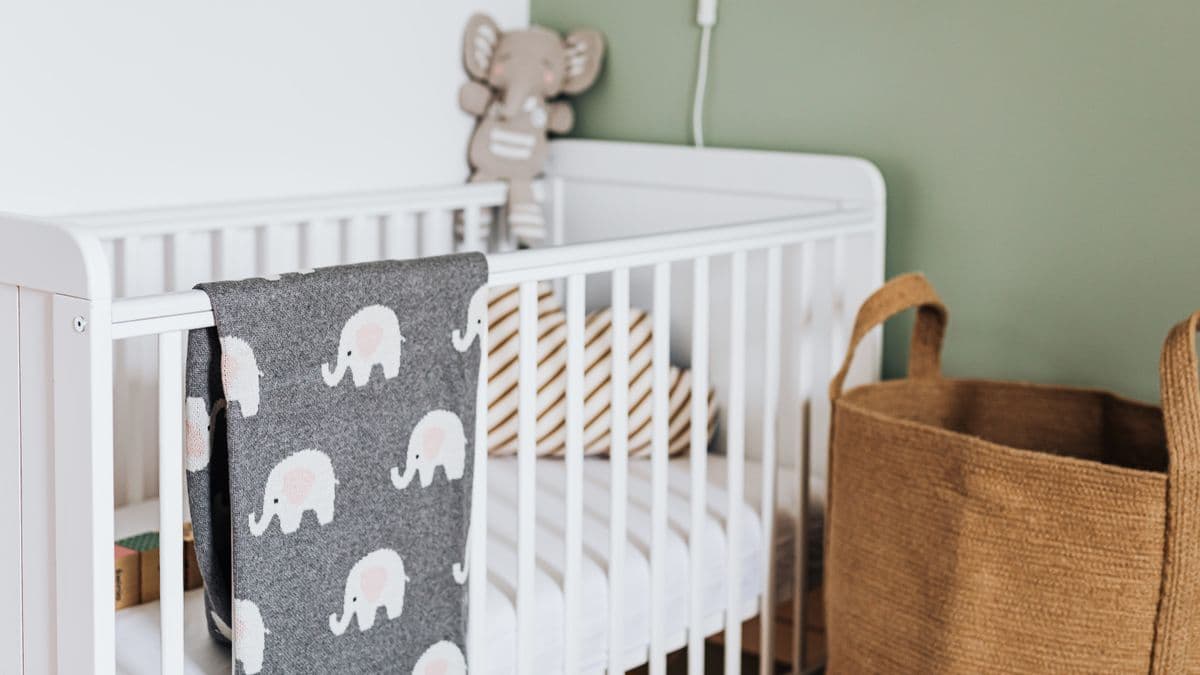
A nursery furniture brand launched from scratch on the marketplaces with Bison Commerce reached over $170,000 in revenue in its first months.
Marketplace revenue in the brand's first months, from a standing start
Orders since launch, up from a 14-order pilot
From a standing start to full marketplace coverage
About the customer
- Customer
- A nursery and juvenile furniture brand
- Category
- Nursery and juvenile furniture
- Engagement
- New-category marketplace launch
- Period
- 2025 pilot to 2026
01 · The challenge
Launching a furniture brand from zero.
Standing up a big and bulky furniture brand on the marketplaces from scratch is one of the hardest things a brand can attempt. There is no listing history to inherit, no base of reviews to reassure a shopper about to spend hundreds of dollars on an oversized item, and no advertising signal to tell the marketplaces which products deserve to be shown. On top of all of that sits the freight problem: heavy, awkward furniture has to be shipped and, when necessary, returned, and the economics of that have to work from the very first order rather than once volume arrives.
A small pilot had proven there was genuine demand for the brand's nursery and juvenile furniture. But a pilot is not a business. Turning a handful of early orders into real, sustained volume meant building the entire marketplace operation quickly and correctly, with no room to learn slowly while a thin listing or a damaged shipment quietly eroded the brand's reputation before it had one. The opportunity was to do the launch right the first time.
02 · What we did
A full managed launch on one partnership.
Bison Commerce launched the brand end to end. Big and bulky fulfillment ran across a network of more than 700 warehouses, solving oversized freight from day one rather than treating it as a problem for later. Listing content was built to convert a considered furniture purchase from the very first impression, because a brand with no reviews has to win trust entirely on the strength of its detail pages. Advertising was used to create demand signal where there was none, and customer service, compliance, and returns were handled to protect a seller rating that did not yet exist. One accountable partner ran all of it, so the launch moved as a single coordinated push instead of a series of disconnected hand-offs.
Running the launch as one operation is what made speed safe. Strong listings gave the early advertising something worth spending behind, so the demand signal built quickly. Reliable fulfillment kept the first wave of orders from turning into damage and negative reviews that would have capped the brand before it started. And a deliberate, consistent retail price let the brand establish perceived value from the outset rather than competing against itself. Each piece protected the others, which is how a brand goes from a standing start to real volume in months rather than years.
03
The operation behind the launch.
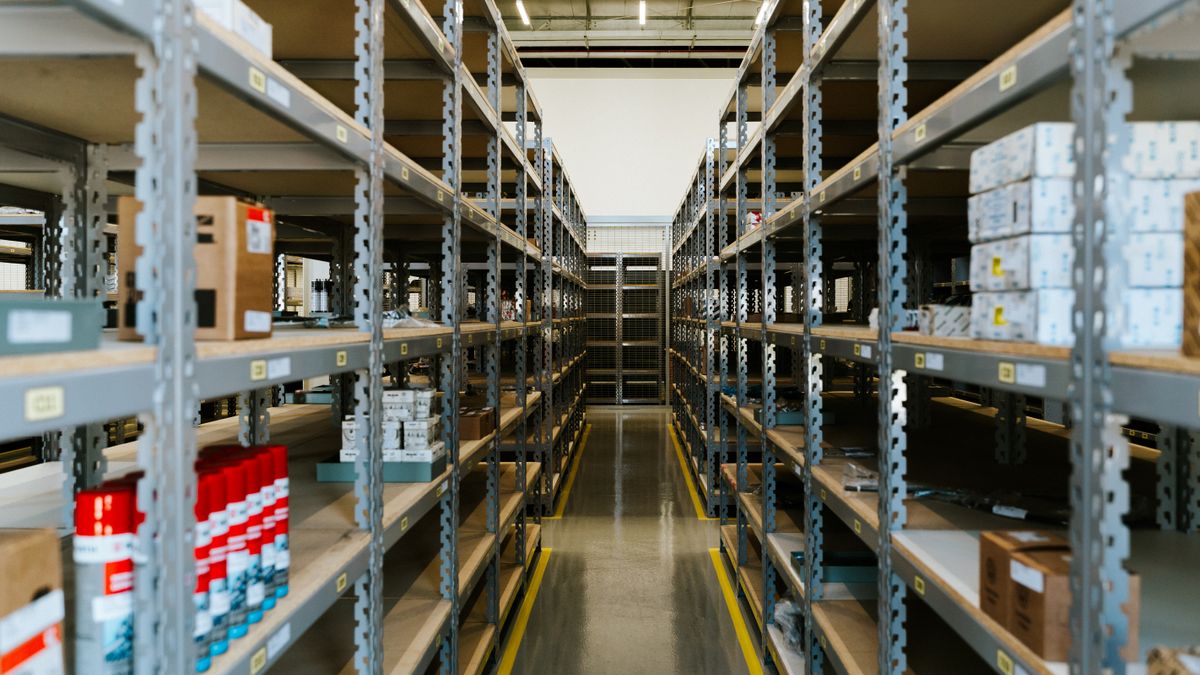
Speed is only safe when the operation underneath it is complete, and from day one this launch ran as a single coordinated system rather than a series of hand-offs. Fulfillment moved across a network of more than 700 warehouses, which for oversized furniture is the foundation everything else rests on. Positioning inventory close to customers shortens transit, lowers the freight cost embedded in every order, and reduces the handling that damages heavy items, and on a brand-new listing a single damaged arrival and the negative review that follows can do outsized harm. Getting freight right from the first order is what let the brand grow quickly without growing fragile.
With no review base to borrow credibility from, content had to carry the persuasion entirely on its own. Bison built the detail pages to convert a considered furniture purchase from the very first impression: titles aligned with how shoppers search, images that convey scale and finish, and structured content that answers the dimensional, assembly, and safety questions a buyer asks before spending hundreds of dollars on something they cannot see in person. Strong pages made the early advertising worthwhile, because paid clicks landed somewhere built to close the sale rather than leak it.
Advertising then did the job a cold launch most needs: it manufactured demand signal where none existed, telling the marketplaces which products deserved to be shown. Spend was concentrated behind early winners so traction could compound rather than dissipate. And because one operator controlled pricing from the outset, the brand set retail price deliberately and held it, establishing perceived value instead of competing against itself. Each piece protected the others, which is precisely how a brand moves from a standing start to real volume in months rather than years.
04 · The results
Over $170,000 in the first months.
From a 2025 pilot of just 14 orders, the brand reached over $170,000 in marketplace revenue across 458 orders in the first months of 2026. That is a standing-start launch turning into meaningful volume in a matter of months, on the marketplaces where the brand's customers already were, without the brand first having to build a marketplace operation of its own.
The order count tells the same story as the revenue. Going from 14 pilot orders to 458 in the opening months of full operation shows demand broadening fast across the catalogue rather than resting on a single listing. A wide, growing base of orders is exactly what a new brand needs to build the reviews, the advertising signal, and the marketplace standing that compound into the next stage of growth.
05
Why it worked.
Launching a big and bulky furniture brand from zero punishes every weak link immediately, which is why so few cold launches in the category build real momentum quickly. This one worked because the operation behind it was complete from the first order: fulfillment, content, advertising, pricing, and service all run by one partner accountable for the brand's growth. When those pieces are coordinated rather than scattered, a brand can go from a standing start to meaningful marketplace volume in months.
The broader point is that a marketplace launch does not have to be a slow, risky experiment a brand runs on its own. The pieces that make or break a furniture launch, oversized freight, listing content, advertising signal, pricing discipline, and service, are the same pieces a managed operation already runs at scale. Bringing a new brand onto that operation means it inherits a working machine rather than building one from scratch under the pressure of its first orders. That is what compressed years of marketplace groundwork into a few months here. All figures are drawn from Bison Commerce's order and revenue records and are presented anonymized.