Logistics
Freight class is fading: LTL shifts to density-based pricing
The way less-than-truckload freight is priced is changing in a way that lands squarely on furniture. The National Motor Freight Traffic Association has overhauled its classification system, moving away from hundreds of commodity-specific freight classes toward pricing driven almost entirely by density, measured in pounds per cubic foot. As GoShip puts it in its analysis of the change, pricing now comes down to one thing: how many pounds per cubic foot a shipment weighs.
What changed, and when
The shift came in two steps. Docket 2025-1, effective July 19, 2025, consolidated roughly 2,000 commodity listings into a density-based structure and expanded the density scale from 11 subprovisions to 13, per ODFL. Docket 2026-1, effective February 6, 2026, cancelled more legacy items and tightened how the new system applies. Enforcement is now live. GoShip reports that more than 70% of LTL shipments were already being priced on density logic before the formal change, but the update removes the old workarounds.
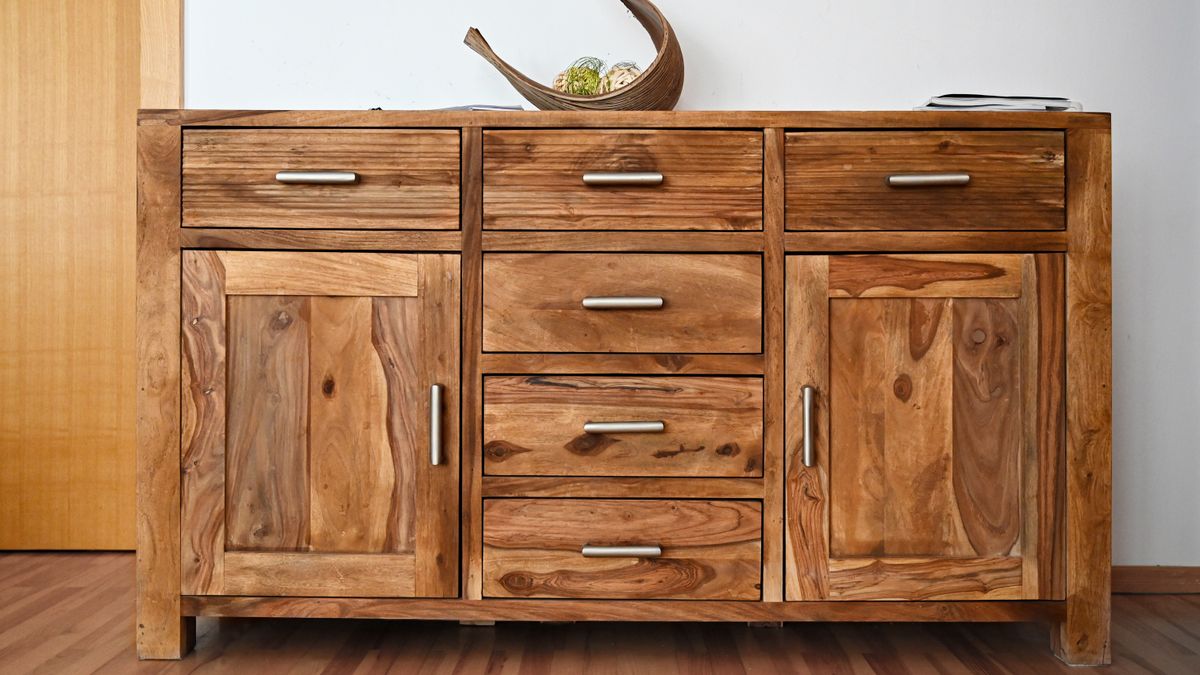
The new model cuts both ways. Dense, compact shipments can actually see lower rates, while light, bulky freight gets more expensive, a reversal of the old commodity-based patterns. The numbers behind a misstep are not small: moving up a single freight class raises rates 10 to 20%, and the lowest-density shippers face increases of as much as 50%, per GoShip. Furniture is the textbook example of the freight that loses: high cube, relatively low weight, and often packed with void fill and oversized cartons that push the density number in the wrong direction. GoShip ranks e-commerce and retail among the sectors most exposed, against dense packaged-goods categories like food and beverage that come out ahead under the new math.
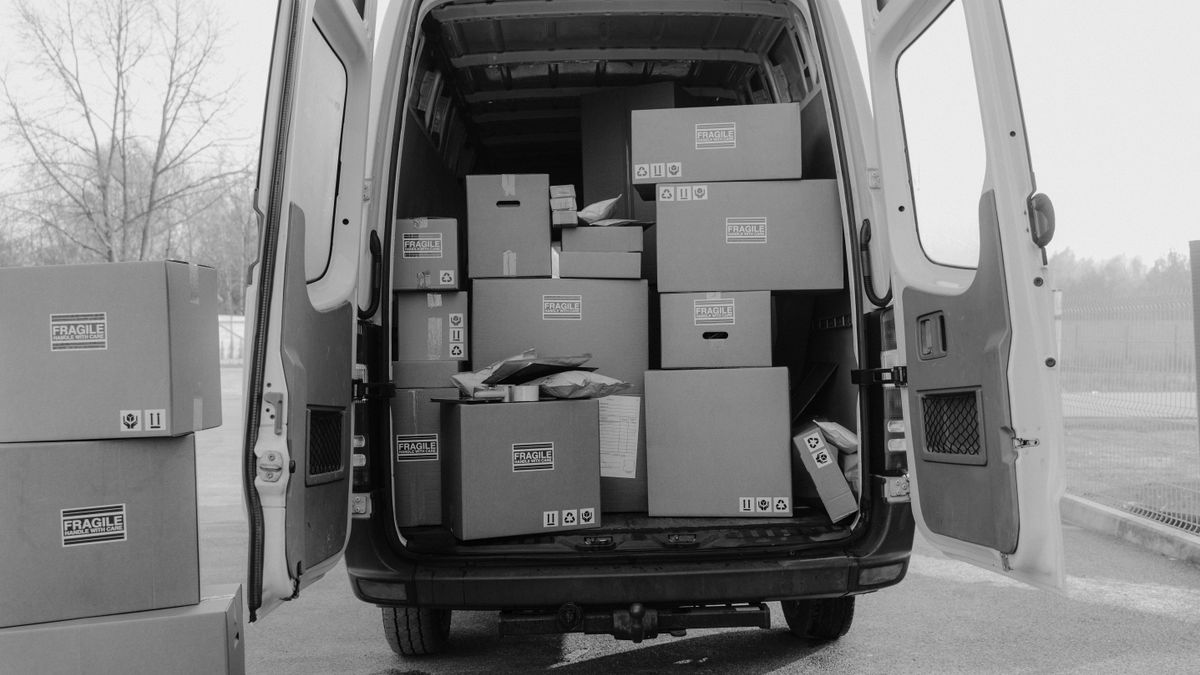
There is also less room to fudge the inputs. Carriers have rolled out automated dimensioning systems at terminals that measure every shipment as it moves through the network, catching discrepancies between the booked dimensions and reality. The advice GoShip gives shippers is blunt: measure everything, weight, length, width, and height, with the packaging included, because the carrier certainly will. For furniture, that means the dimensions that matter are the palletized, corner-protected, banded reality on the dock, not the carton spec in the product file, and the gap between those two numbers is now billed on every shipment.
The full cost is more than the line haul
Rates are climbing even in a soft market. GoShip cites LTL rates up 5.2% year over year in the first quarter of 2026, with first-tender acceptance slipping from 92% to 85%, and the rate cycle has kept building since (our coverage of LTL rates heading for a record second quarter picks up that thread). Accessorials then stack on top of the base rate. Liftgate delivery alone adds $75 to $150 per shipment, and residential, inside-delivery, redelivery, and appointment fees pile on for the home deliveries that furniture demands.
The playbook for adapting is concrete. GoShip recommends auditing packaging for void fill and oversized cartons, verifying every class code against the updated NMFC system rather than carrying over legacy codes, comparing carriers on identical shipment data since each carrier's density breaks treat the same freight differently, and evaluating truckload alternatives for the denser end of the catalog. The common thread is data discipline: as the article concludes, the LTL market in 2026 rewards data discipline and prices everything else accordingly.
Why it matters: For furniture brands, packaging efficiency now maps straight to freight cost. The same sofa in a tighter, denser carton can fall into a cheaper class, while wasted space is taxed on every shipment, verified by a dimensioner at the terminal. A packaging-density review has gone from a nice-to-have to a margin lever, and misclassified legacy codes are now an audit finding waiting to happen.
What it means for our partners: A density audit plus the volume leverage of a high-throughput shipper are the difference between absorbing these increases and passing them on to the customer at checkout.
Source: GoShip