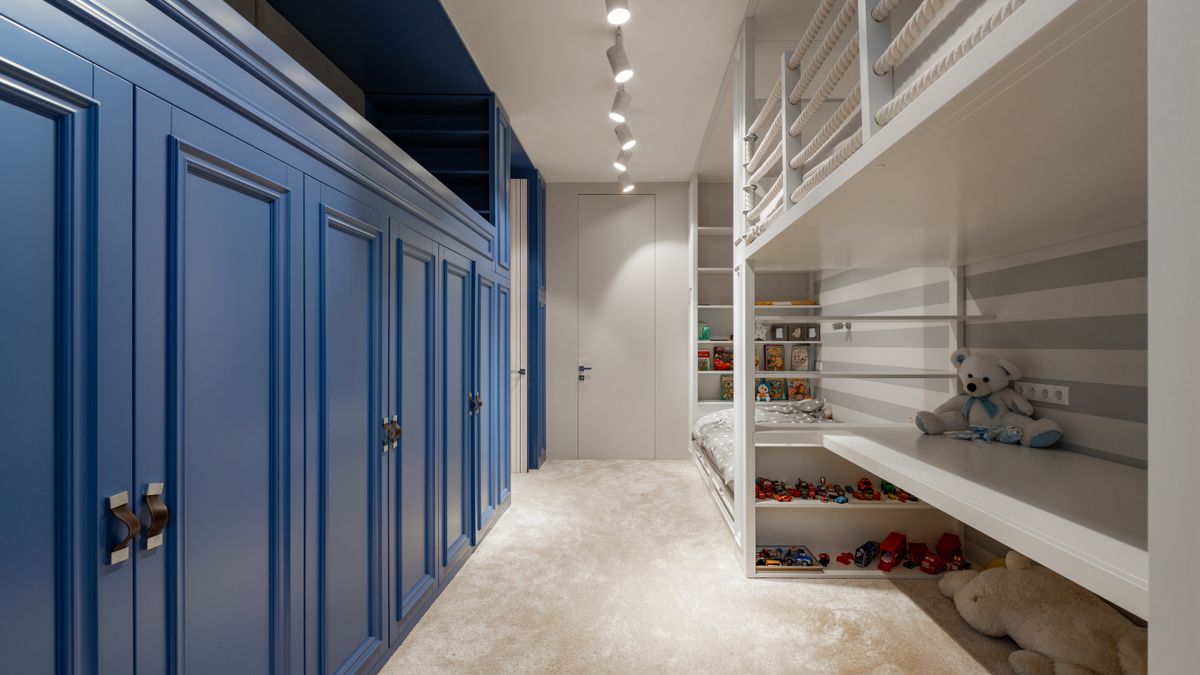
Furniture
A premium nursery furniture brand
More than tripled in a year.
A premium nursery furniture brand more than tripled its marketplace revenue year over year with Bison Commerce, from $51,000 to over $160,000.

Revenue growth, year over year (2024 to 2025)
Marketplace revenue in 2025, up from $51K
Orders in 2025, from 125 to 496
About the customer
- Customer
- A premium nursery furniture brand
- Category
- Nursery and juvenile furniture
- Engagement
- Managed marketplace growth
- Period
- 2024 to 2025
01 · The challenge
Steady demand, capped reach.
The brand's nursery and juvenile furniture already had a foothold on the marketplaces, but it was not reaching its potential. This is a common and frustrating place for a furniture brand to sit: the products sell, the demand is clearly there, yet growth plateaus because the operation underneath cannot scale with it. Each additional order brings the same big and bulky freight cost, the same returns risk, and the same advertising and content demands, and without a system built to absorb that weight, the brand hits a ceiling well below what its products could actually support.
Breaking through that ceiling meant scaling several things at once: big and bulky fulfillment that could handle more volume without more damage, listings sharp enough to convert a considered furniture purchase, and real advertising behind the range to widen reach. It also meant doing all of that without the margin erosion of a multi-reseller setup, where competing sellers undercut one another on price and the brand loses both control and visibility. The goal was not a quick promotional bump but a higher, sustainable level of marketplace performance.

02 · What we did
Scaled the operation under one partnership.
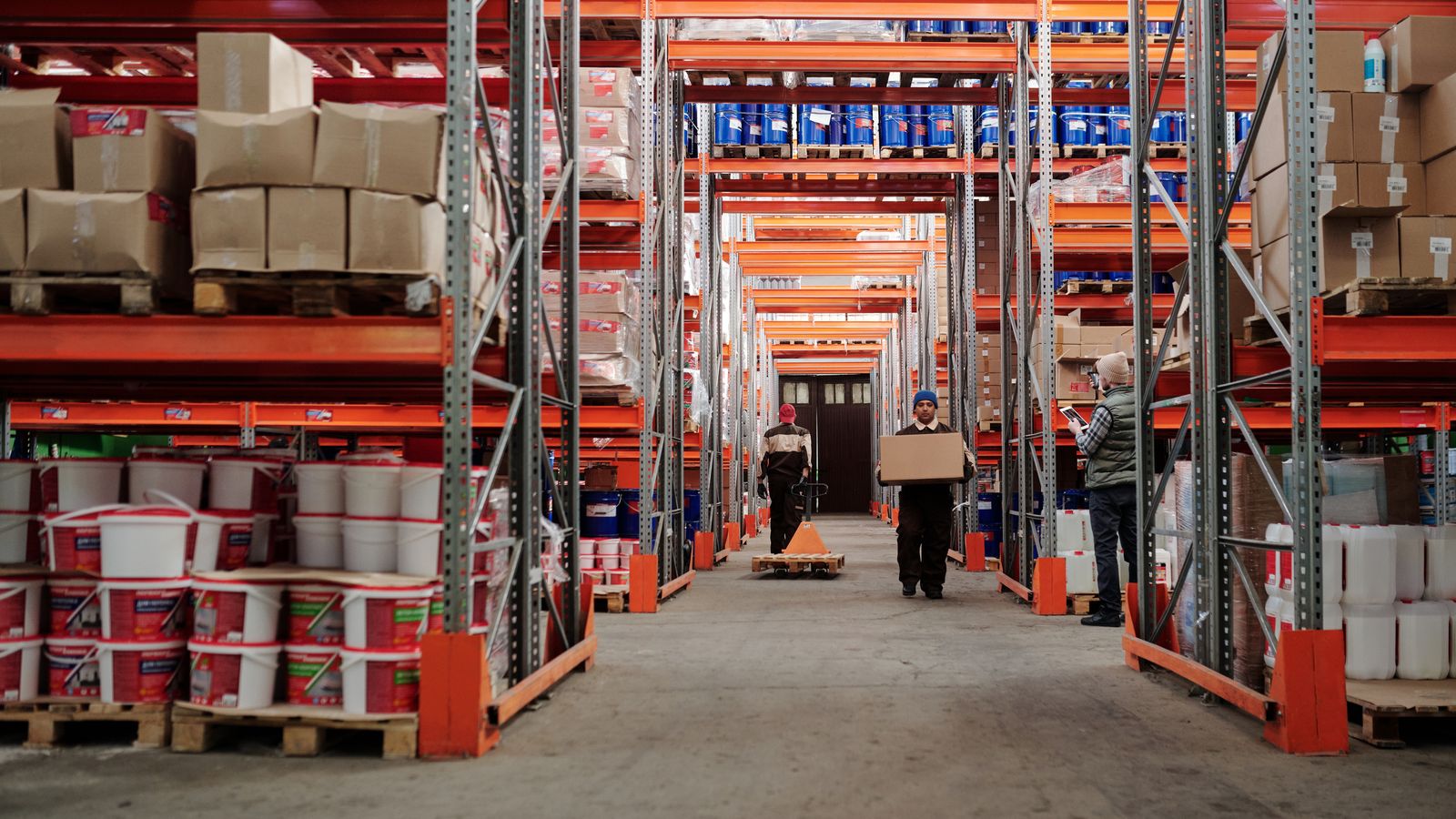
Bison Commerce took the operation end to end under its managed model, with the brand retaining ownership and control of pricing. Big and bulky fulfillment ran across a network of more than 700 warehouses, positioning inventory closer to customers to cut transit time, damage, and cost on heavy items. Listing content and advertising were tuned to the range, and customer service, compliance, and returns were handled so the brand stayed in good standing on every marketplace. Consolidating to one accountable partnership meant pricing and promotion moved together instead of being fought over by independent resellers.
Scaling an existing operation is a different exercise from launching one. The demand was already proven, so the work was about removing the constraints that capped it: making fulfillment reliable enough to grow volume without growing damage and returns, making listings strong enough to convert the additional traffic that advertising brought in, and keeping price disciplined so that higher volume did not come at the cost of perceived value. With every lever under one roof, more reach translated into more profitable orders rather than more operational strain.
03
The operation behind the growth.
Lifting a brand off a plateau is a different exercise from launching one, and it puts the operation under a specific kind of strain: every constraint that capped the brand gets tested again the moment volume rises. Bison ran the full operation as one system so that more demand did not simply mean more problems. Fulfillment across a network of more than 700 warehouses kept oversized inventory close to customers, which is what allows order volume to grow without a matching rise in transit damage and returns. On heavy furniture, that relationship is the whole game: a fulfillment network that scales cleanly is the difference between profitable growth and growth that quietly costs more than it earns.
Content and advertising were tuned to widen reach without diluting it. Bison sharpened the detail pages so that the additional traffic advertising brought in actually converted, then concentrated spend behind the products that responded, reinvesting in momentum rather than spreading budget thin. Because a single operator controlled the listings, retail price stayed disciplined as volume climbed, so the brand grew on the strength of its products and reach rather than by discounting its way to more orders. Pricing discipline at scale is what protects margin precisely when the temptation to chase volume is highest.
Underneath all of it ran the unglamorous work that protects a furniture brand's standing: customer service that resolves issues before they become negative reviews, returns handled cleanly, and compliance kept current across every marketplace. Those are the functions that defend the seller rating, and the seller rating is what marketplaces reward with the organic visibility that makes advertising and content compound. Held together by one accountable partner, the levers reinforced each other instead of competing for attention.
04 · The results
More than 3x revenue, nearly 4x orders.
The brand's marketplace revenue grew from $51,002 in 2024 to $161,446 in 2025, more than tripling year over year. For a brand that was already selling, this was the difference between a plateau and a breakout, and it came from lifting the constraints on an established range rather than from chasing a single new product. The brand has continued into 2026, carrying the higher level of performance forward.
It is worth dwelling on what a plateau actually costs, because it never shows up as a line item. A brand stuck at a ceiling is not merely failing to grow; it is leaving the fixed effort it already spends, on its products, its relationships, and its brand, working at a fraction of its potential. Every month at the ceiling is demand that existed and went unserved, often captured instead by resellers or competitors who happen to have the operational reach the brand lacks. Seen that way, tripling revenue did not conjure new demand out of nothing. It captured demand the brand already had but could not previously serve, which is exactly why the change arrived so quickly once the operational constraints came off. That is also why the result has proven durable rather than a one-time spike: the new level of performance reflects the brand's real underlying demand finally being met, not a promotional surge that fades when the spend stops.
Orders grew even faster than revenue, rising from 125 in 2024 to 496 in 2025, close to fourfold. That orders outpaced revenue means the growth came from reaching far more customers, not from charging more per sale, which is exactly the kind of broad-based demand that makes a marketplace business durable rather than fragile.
05
Why it worked.
The brand's results show what happens when a brand with proven demand finally gets an operation built to scale with it. The products did not change; the operation behind them did. By putting fulfillment, content, advertising, pricing, and service under one partner accountable for growth, the brand turned steady, capped demand into a tripling of revenue and a near-quadrupling of orders in a single year.
The strategic lesson is worth stating plainly, because it applies well beyond this one brand. A plateau is rarely a demand problem; it is almost always an operations problem wearing a demand problem's clothes. When sales stall despite products that clearly sell, the constraint is usually the machine underneath, the freight, the listings, the advertising, the pricing discipline, and the service that either compound together or cap one another. Concentrate that machine under a single accountable partner, keep the brand and its pricing in the brand's hands, and the ceiling that looked like a limit on demand turns out to have been a limit on the operation all along. All figures here are drawn from Bison Commerce's order and revenue records.